How to structure a successful photography proposal for a client
A photography proposal is a decision document, not a portfolio with a price at the end. Here is the section order, the scope and licensing language, and a worked brand shoot example you can copy.


Structure
Order your proposal around the client's decision, not your portfolio
Structure a photography proposal in this order: a recap of the brief, your approach and visual direction, the deliverables, the investment, the terms and a single next step. Keep it short enough to read in a few minutes, and cut anything that does not help the client say yes.
Search for advice on photography proposals and you mostly find tips for photographing someone proposing marriage, or templates for a photography business plan. Neither helps when a brand manager asks you to quote for a campaign shoot. A client proposal has a different job: it has to help a buyer decide, often with colleagues who never met you.
That changes the order. Photographers like to open with their best work, because the work is what they are proud of. Clients open the document with a question instead: did this person understand what we need? Answer that first. The portfolio still matters, but it works harder as proof inside your approach than as a gallery at the top.
Start with the client's goal in their own words. If the brief said "we need a summer campaign that feels less staged than last year", quote that line back. A buyer who sees their own phrasing relaxes, because they know the rest of the document is about them.
The section order that leads to a signature
Brief recap
Restate the goal, the audience, the channels and the deadline in the client's own words, so they feel understood before anything else.
Approach and visual direction
Explain how you will shoot it and why, with a mood board and a handful of past images that match this brief, not your whole archive.
Deliverables
List the shot list, the number of final images, the formats and the delivery date, so the client knows exactly what arrives and when.
Usage licence
State where, for how long and in which media the client can use the images, as its own line rather than buried in the fee.
Investment
Show the price or the options, each tied to what the client gets, right after they have read what the work includes.
Terms and next step
Put the deposit, payment schedule and cancellation policy next to the price, then end with a single clear action to accept.
Length follows from that order. A proposal for a portrait session can fit on a couple of screens. A campaign proposal needs more room for direction and licensing, but it still should not read like a contract. Cut the biography, the equipment list and the generic paragraph about your passion for light. Keep anything that answers a question the client will ask before signing.
Format matters too. A static attachment gets downloaded, forwarded and read on a phone where your images shrink to thumbnails. A proposal built from blocks as a web page scales to any screen, lets the client jump straight to the price and back, and tells you which sections they actually read. That last part is useful later, when you decide how and when to follow up.
Scope
Define deliverables and usage rights before you mention a price
Price image usage and licensing in a photography proposal as a separate line from the creative fee, defined by duration, territory and media. The creative fee pays for the shoot; the licence pays for how the client uses the pictures. Splitting them lets the client change usage without reopening the whole quote.
Disputes on photography jobs rarely start with the price. They start with an assumption. The client assumed retouching included skin and product clean-up on every frame. You assumed a couple of rounds of colour notes. The client assumed the images could run on a billboard next spring. You quoted for social media this season. Scope language is how you surface those assumptions while they are still cheap to fix.
Write the deliverables as nouns a client can count when the files arrive: final images, formats, crops, delivery date. Then write the exclusions just as plainly. Extra looks, a second location, reshoots caused by late product changes and additional retouching rounds are all reasonable to offer, as long as the proposal says they cost extra.
What to define in the scope of a commercial shoot
| Scope item | What to write | What it prevents |
|---|---|---|
| Shot list | Each setup, product or scene, with the looks and angles you will cover | A request for extra setups on the day with no extra time or fee |
| Final images | The count of retouched images, the formats and the crops for each channel | Being asked to deliver and edit every frame you shot |
| Retouching | The level of retouching and the rounds of feedback included | Open-ended rounds of small edits weeks after delivery |
| Usage licence | Duration, territory and media, such as web and social in a named market for a set period | Images reappearing in print or paid media you never priced |
| Exclusions | Extra looks, a second location, reshoots after late changes, props and talent | Scope creep that eats your margin quietly |
Usage is where photographers leave the largest amount of money on the table, and where clients feel the least informed. Explain it in plain language. Duration is how long the client can use the images. Territory is where they can run them. Media is the channels, from the brand's own website to paid social, print and outdoor. Wider usage costs more because it is worth more to the client.
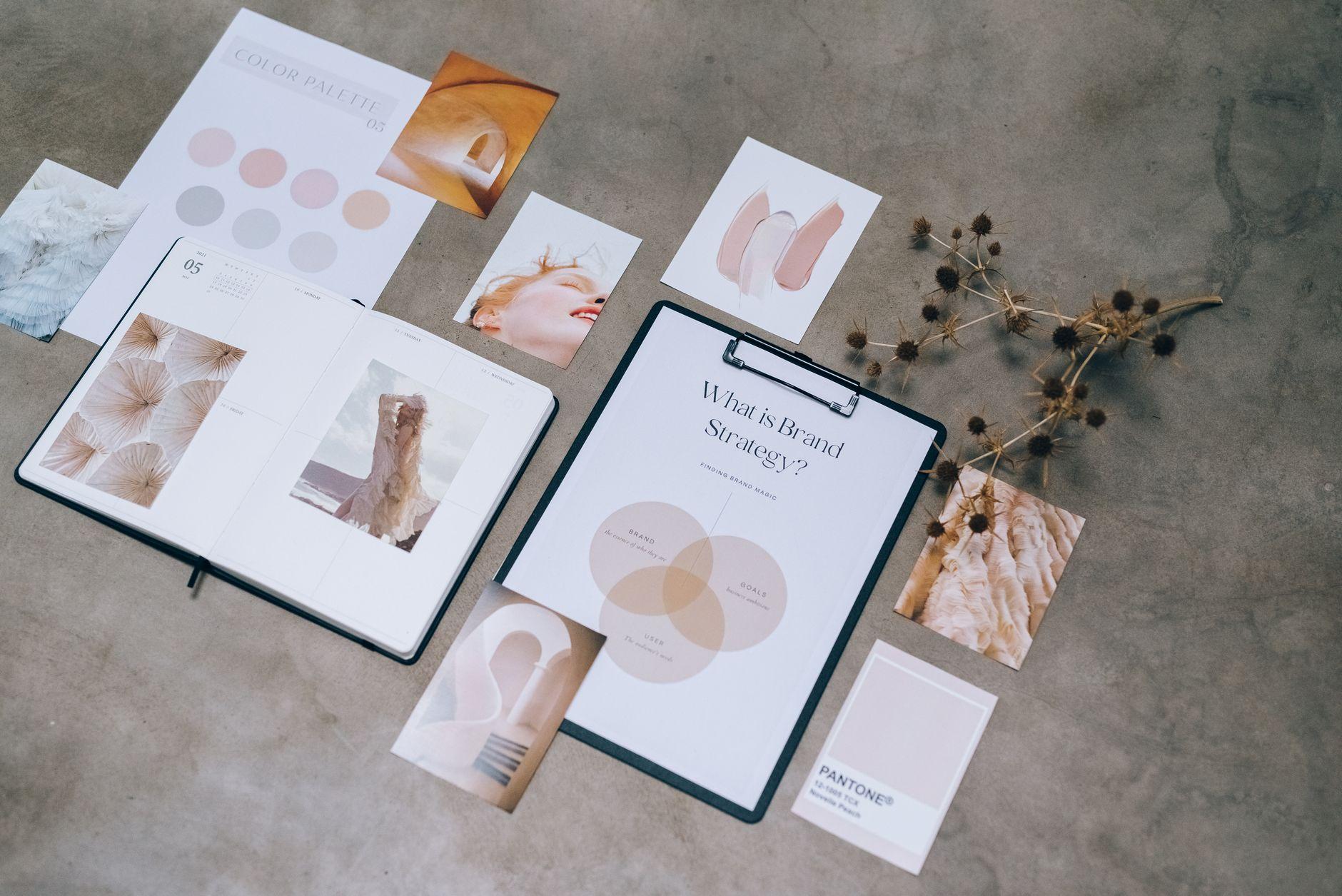
Creative direction belongs in this part too. A mood board with a few references, a note on light and colour, and the styling direction show the client what they are buying before they see a price. It also gives both sides something concrete to point at if the shoot drifts.
Worked example
Build a single-day brand shoot proposal, section by section
Here is an illustrative proposal for a single-day campaign shoot for a fictional skincare brand, with a priced breakdown that keeps the creative fee, crew, retouching, usage licence and expenses on separate lines so the client can see what each part of the budget buys.
Illustrative example: a fictional skincare brand wants images for a spring launch across its website and social channels. The brief recap quotes their goal: "products in real bathrooms, morning light, nothing that looks like an advert". The approach section proposes a natural-light shoot in a rented apartment, with a mood board of 6 reference images and 3 past projects in a similar style.
The deliverables section promises 25 retouched images, delivered as web and social crops, 10 working days after the shoot. The licence covers web and social use in the UK and Ireland for 12 months. Print and paid outdoor are listed as options the client can add later.
Illustrative example: price breakdown for a single-day brand shoot
For example, this is how the investment section could break down the fee for the fictional skincare launch.
| Line item | What it covers | Fee |
|---|---|---|
| Creative fee | Pre-production, art direction and a full shoot day | $2,400 |
| Crew | Photo assistant and a stylist for the day | $900 |
| Retouching | 25 final images with 2 rounds of feedback | $750 |
| Usage licence | Web and social, UK and Ireland, 12 months | $1,200 |
| Expenses | Location rental, props and travel, billed at cost | $650 |
| Total | Deposit of $1,475 to book the date, balance on delivery | $5,900 |
Separate lines earn their place. They show the client that the number is built from real costs, not plucked from the air. They also give you safe places to negotiate. If the budget is tight, you can narrow the licence or trim the retouching without touching your creative fee, which is the line that protects your rate.
Clients also arrive with a sense of what photography costs, sometimes from very different kinds of shoots. Product photography budgets vary widely by city, as the figures below show.
$11,076
average cost of 30 product photos, taking the average cost by city
$17,952
average photoshoot price in New York, the most expensive place to conduct a photoshoot
Those are product studio budgets, not campaign rates, and your market will differ. The point for your proposal is that clients compare. If your total looks high or low next to what they have paid before, the line items explain why, and the licence line shows that part of the price is about reach rather than your day rate.
Why each section sits where it does
Recap before approach
The client agrees with the problem before they judge your plan, so the approach reads as an answer rather than a pitch.
Direction before deliverables
The mood board sets expectations for the look, which makes the image count and formats easier to accept.
Licence before price
Clients who understand usage first see the licence fee as part of the value rather than a surprise surcharge.
Acceptance right after terms
Place the call to accept directly below the deposit and dates, so the decision happens while the client is still reading.
Pricing and close
Offer three options and make accepting the proposal effortless
Include multiple price options in a photography proposal when the client's budget or usage is still open: a lean option, a recommended option and an extended option. The client then chooses between versions of yes, and the terms, deposit and acceptance step sit right below the choice.
A single price asks a yes or no question. Three options ask which one. Put the recommended option in the middle and make the differences about outcomes, such as wider usage, extra looks or a faster turnaround, not just more images. The extended option anchors the conversation. The lean option gives a nervous buyer a way in without a discount.
Options also help with a pricing climate that has been moving. Independent photographers and other freelancers have been raising their rates, and agencies that pitch for work do not win every time. Both figures are worth knowing before you set your options.
50.3%
pitch-win rate in 2021, higher than 48% in 2020
41%
of freelancers raised their rates in response to the rising cost of living
Read together, those numbers argue for confidence rather than discounting. You will lose some quotes whatever you charge, so the quotes you send should protect your rate and make the yes easy. That means clear terms. A proposal is not the contract, but it should state the deposit that books the date, when the balance is due, what happens if the client cancels or postpones, and how long the offer holds.
Terms to place next to the price
Deposit
A non-refundable booking fee that secures the shoot date and covers your pre-production time.
Payment schedule
When the balance is due, usually on delivery, and how expenses billed at cost are invoiced.
Cancellation and postponement
What the client owes if the shoot moves or is cancelled, and how much notice changes that.
Offer validity
The date the proposal and its availability hold until, so the decision does not drift for weeks.
Follow-up is the last piece, and it works best when you know what the client did with the proposal. A PDF goes into a black box. A Formlio document reports back: who opened it, what they read, when they signed. If the client spent time on the licence section, your follow-up can offer to walk through usage. If they jumped straight to the price and stopped, offer the lean option or a call.
In Formlio you build the proposal from blocks, add a pricing block where the client picks a package and toggles add-ons such as extra looks or wider usage, and finish with an agreement block so they can approve or sign inside the document. You get a notification when they open it and when they approve, which makes the next step a single click for them and a well-timed message for you.
Questions
Frequently asked questions
A recap of the brief, your approach and visual direction, the deliverables with a shot list and image count, the usage licence, the price or options, the terms and a single next step to accept.
Long enough to answer what the client will ask before signing, and no longer. Cut your biography, equipment list and generic portfolio pages, and keep the scope, licence, price and terms.
Put the licence on its own line, separate from the creative fee, and define it by duration, territory and media. Wider or longer usage costs more because it is worth more to the client.
Yes, when the budget or usage is still open. Three options with a recommended middle turn the decision into which option rather than whether to book you.
The proposal helps the client decide: it explains the approach, scope and price. The contract records the agreed terms in legal language. Many photographers send the contract or agreement once the proposal is accepted.
Follow up within a few days with something useful, such as an answer to a likely question or a lighter option. If you can see which sections the client read, shape the message around them. Formlio shows you when a proposal is opened and what was read.
Template
Make your next photography proposal
Build an on-brand proposal from blocks, add packages the client can choose from, and see when they open it and sign.