Brand design proposal: what brand designers need to show to win new clients
A client buying a brand identity is buying an outcome they cannot preview. Your proposal wins when it proves your thinking, not when it lists the deliverables.


The buyer's view
Understand what a client is really judging in your proposal.
To convince a client your design direction is right, prove the thinking behind it before they see a single mark. The client is judging whether you understood their problem, whether your process is sound, whether you have done similar work, whether your price makes sense and whether the next step is clear.
A client hiring a brand designer is taking a strange kind of risk. They are paying for something they cannot see yet. A logo, a type system, a tone of voice: none of it exists when they sign. So they cannot judge the work itself. They judge the evidence that you will get it right.
That is why a proposal that reads like a menu of deliverables loses so often. "Logo, colour palette, brand guidelines, social templates" tells the client what arrives at the end. It says nothing about whether you understood the business, how you will reach the answer or why your answer will be better than the next studio's.
There is a second layer that brand designers in particular cannot escape. Your proposal is the first piece of brand work the client sees from you. They read the typography, the spacing, the way the argument unfolds. If it feels generic, they assume the identity will too. If it feels considered, they start to trust you before they reach the price.
The five questions behind every yes
Did they understand our problem?
The client wants to see their situation described back to them more clearly than they described it themselves, in their own words where possible.
Do they have a process I can trust?
Phases, decision points and what happens at each stage show that the route from brief to identity is planned, not improvised.
Have they done work like this before?
Relevant case studies, chosen for a similar sector or a similar problem, lower the perceived risk far more than a full portfolio dump.
Does the price make sense?
Price reads as fair when it is tied to scope and outcomes, and when the client can see what changes if they spend less or more.
What do I do next?
A clear decision path, with a date and a simple way to say yes, keeps a good proposal from stalling in someone's inbox.
Forrester's State of Business Buying research reports that almost 95% of buyers anticipate using genAI to support their decision and purchase process in the next 12 months.
Expect your proposal to be compared with help from a model. Plan for a client who may paste your proposal next to others and ask for a comparison. Lists of deliverables compare easily and look alike. Your reasoning about their specific problem is much harder to flatten, so put it on the page.
Almost 95%
of buyers anticipate using genAI to support their decision and purchase process in the next 12 months
The proof
Show the thinking behind the work, not only the deliverables.
AI is not replacing designers who sell judgment. Generated output can produce options, but it cannot decide which option fits a client's market, history and ambition. Make your proposal prove that judgment: frame the problem, connect each deliverable to an outcome and name honestly where AI tools sit in your process.
Open with the client, not with your studio. Skip the founding story and the list of awards. Start with what you heard in the discovery call: the problem, the stakes, the goals, ideally in the phrases the client used. Then go a step further and diagnose it. If they said "we need a rebrand", explain why. Perhaps the identity was built for a local business that now sells nationally. Perhaps the product moved upmarket and the visual language did not follow. When you name the problem better than they did, you stop sounding like a supplier and start sounding like the person who should solve it.
Next, tie every deliverable to an outcome. Instead of "Brand guidelines", write "Brand guidelines, so your in-house team can produce on-brand campaigns without coming back to us for every asset." The deliverable is the same. The reason to pay for it is now visible.
Choose case studies the way a lawyer chooses precedents. Pick work that shares a sector, a problem or a stage of growth with this client, and cut the rest. For each case, give the challenge, your approach and what changed afterwards, in a few sentences. A tight, relevant selection beats a gallery of everything you have made.
Finally, show the process as phases with decisions in them. Discovery, strategy, identity concepts, refinement, handover. Mark where the client's input is needed and where the big choices get made. A client who can see the decision points can picture working with you.
Let the thinking show
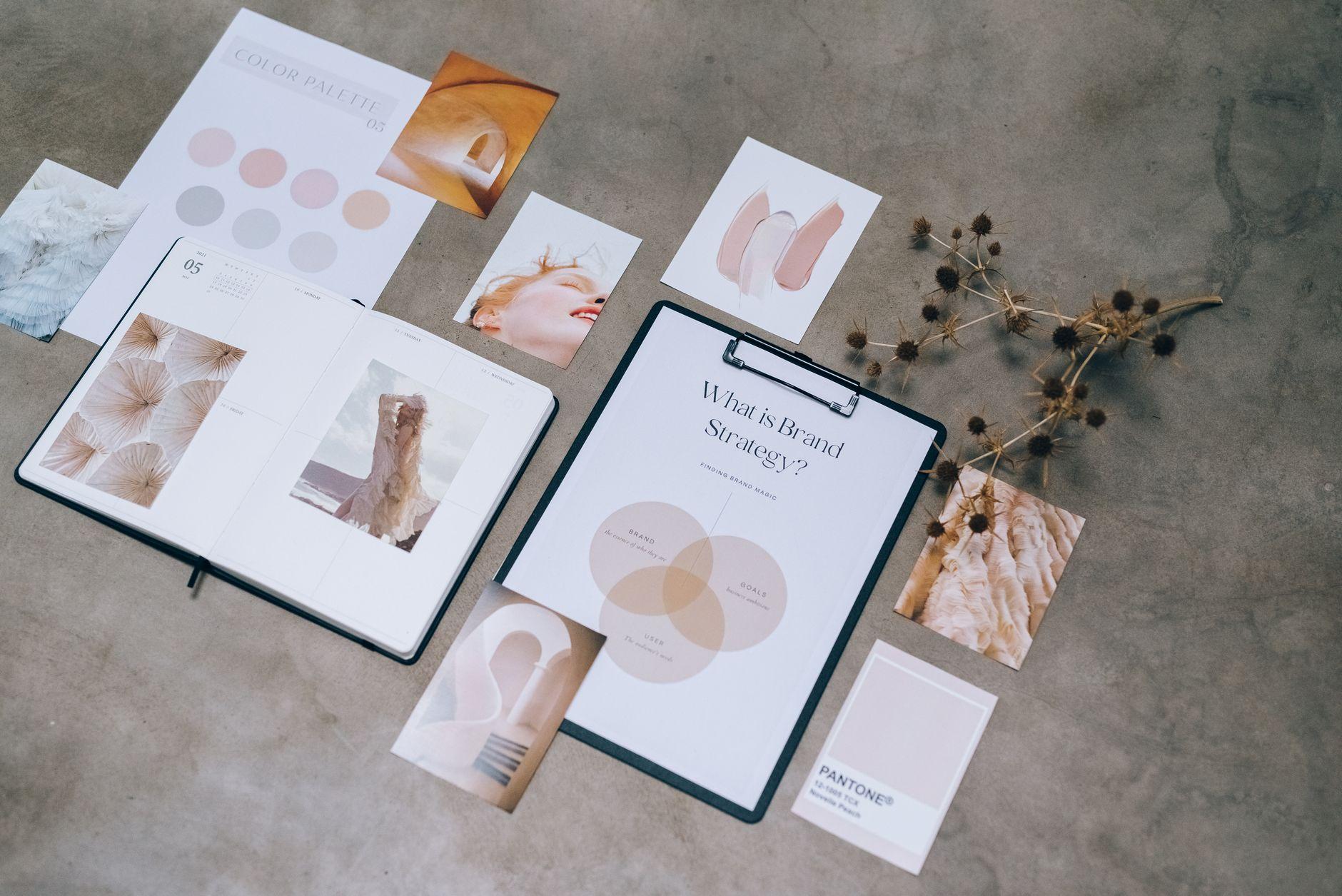

Be honest about tools. If you use AI for research summaries, early mood exploration or production chores, say so, and say what you do with the time it frees.
A Gartner survey of sales organizations found that 72% of sales organizations report low reinvestment of AI time savings back into high-value sales activities.
Treat that as a warning for your own studio. Tell the client where your hours go instead: interviews, positioning, the hard edit between concepts. That is the part they cannot get from a prompt.
The same Gartner survey found that 25% of sales organizations report a 50% or higher return on AI investments, while 20% report a 50% or higher negative return.
The price
Present price as a choice between scopes, not a single number.
A logo price is too much only when the client cannot see what it buys. Price the outcome and the scope around the mark, not the file. Offer a pared-down, a core and an expanded option, explain what each includes and state payments, revisions and extra fees plainly.
A single number invites a single question: is that too much? Options change the question to which scope fits. When a client can compare a lean version against a fuller one, they stop weighing your price against an imaginary cheaper designer and start weighing it against their own goals.
Three options usually work well. The first covers the essentials: strategy-light, a mark and a basic system. The second is the scope you would recommend, and it should say so. The third adds the pieces a growing brand often needs later, such as a full guidelines book, campaign templates or a launch kit. Each option should name its deliverables, the outcome it supports and what it leaves out.
The question of whether a logo alone is too expensive mostly disappears here. A logo is never only a file. It is the research behind it, the reasoning that rejects the alternatives and the system that makes it usable. If the client only needs the file, the pared-down option exists for them. If they need the brand to carry a business, the price of the core option is easy to explain.
State the terms in the same section. Spell out the payment schedule (a deposit before discovery, a stage payment at concept approval, the balance at handover), the number of revision rounds included, what counts as an extra round and how additional work is billed. Add who owns the final files and usage rights once payment clears. Clear terms read as confidence.
Example: three scope options for a brand identity
Illustrative prices for a fictional client, to show the structure. Set your own from your costs and market.
| Option | What it includes | Example price | Example timeline |
|---|---|---|---|
| Essentials | Short discovery call, logo, colour palette, type pairing, basic usage sheet | $3,500 | 4 weeks |
| Core (recommended) | Discovery workshop, positioning summary, logo suite, full palette and type system, brand guidelines | $7,500 | 8 weeks |
| Expanded | Everything in Core, plus campaign templates, packaging or signage concepts and a launch kit | $12,000 | 12 weeks |
Worked example
Walk through an annotated brand identity proposal.
Here is how the pieces fit in a real-feeling proposal for a fictional client. Each section answers one of the client's questions, and the annotations explain why it is there, what was cut and how the format itself helps the client decide.
This is an illustrative example. The client, the studio and every figure are invented to show the structure.
The client is Hearth & Grain, a family bakery that has grown to 6 shops and now wants to sell packaged bread through regional grocers. Its current identity is a hand-drawn logo made when it had 1 shop. The founders asked for "a new logo". After a 45-minute discovery call, the studio believes the real problem is shelf presence: the brand has to work at a distance, next to national labels, without losing the warmth that regulars love.
The proposal opens with that diagnosis in a short paragraph, using the founders' own words: "we look homemade in the wrong way". It follows with 2 past projects, a coffee roaster that moved into supermarkets and a farm shop that rebranded for wholesale. The price section offers the three options from the table above, with Core marked as recommended at $7,500 over 8 weeks.
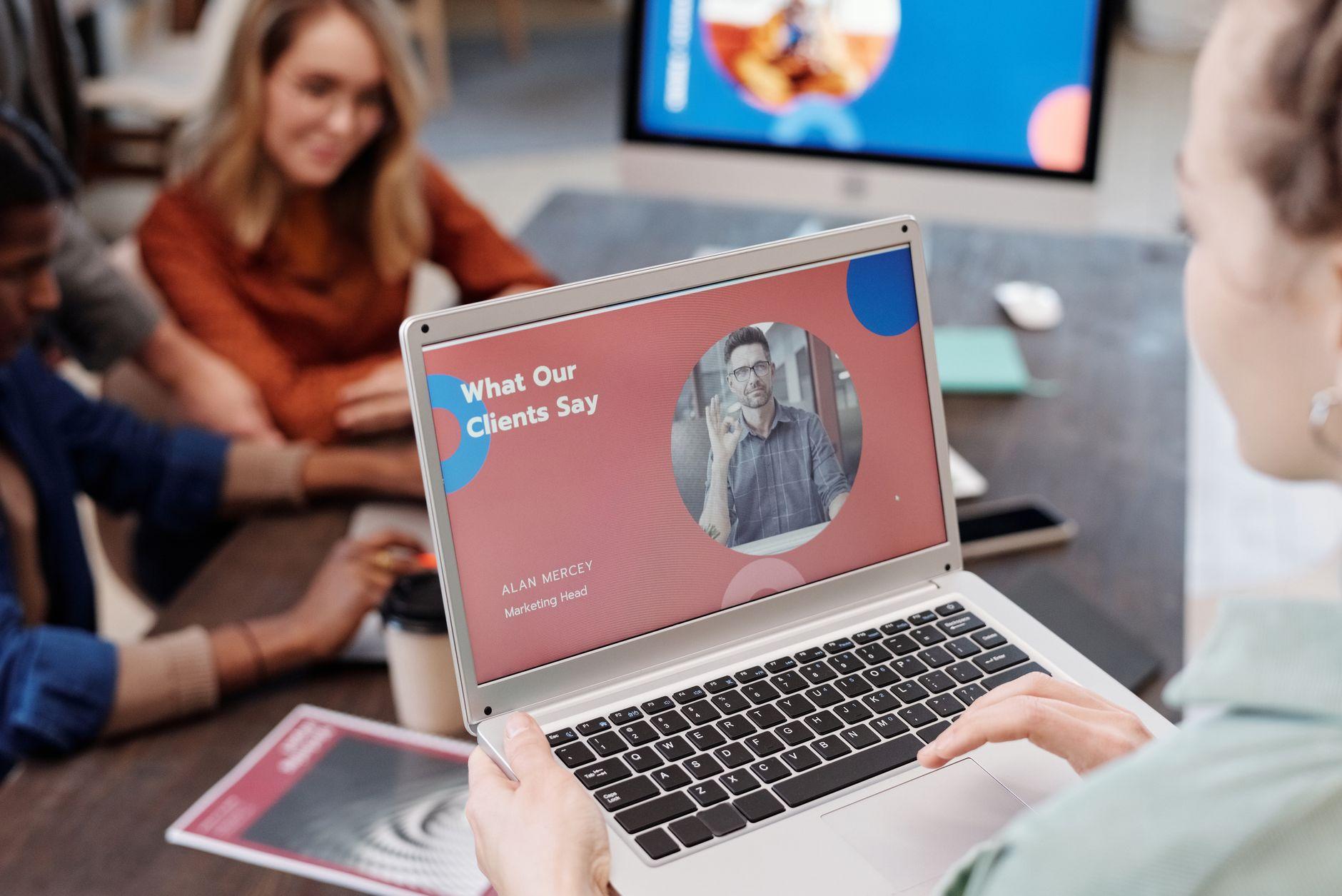
Annotations: why each section is there
The diagnosis comes first
Reframing "a new logo" as a shelf-presence problem proves the studio listened and earns the right to propose a bigger scope.
Case studies match the move
Both examples show a small brand entering retail. The studio cut its strongest restaurant project because it answered a different question.
Deliverables carry reasons
Packaging concepts sit in the core option with a line on why they matter: the grocer buyer will judge the brand on the shelf, not on a website.
The process shows decision points
Each phase names what the founders decide and when, so they can see their own role and plan time for it.
Terms are short and plain
Payments, revision rounds and usage rights fit on a single screen. Nothing reads like small print, which keeps the tone warm.
The close has a date
The proposal ends with a decision date, the kickoff slot it protects and a way to approve in place, rather than a request to get in touch.
Notice what is missing. There is no studio history, no long list of software skills and no full portfolio. Every section either answers a client question or it goes.
The format matters as well. Sent as a static attachment, this proposal disappears the moment it leaves your outbox. Sent as an interactive web document, it can show the case studies at full size, let the founders compare the options side by side and tell you which sections they read and when they came back to the price. That signal tells you whether the founders are still thinking, already convinced or stuck on cost, and it shapes what you say next.
Closing
Make the next step obvious and easy to take.
End the proposal with a single clear action, a decision date and the kickoff it opens. Then follow up quickly and specifically, using what the client actually opened, so the decision happens while the proposal is still fresh in their mind.
"Let me know what you think" is the weakest line in any proposal. It hands the client a task with no deadline, and busy people put deadline-free tasks at the bottom of the pile. Replace it with a concrete step: approve the core option by a named date to hold the kickoff slot. Make that step possible on the page itself, so saying yes takes less effort than saying nothing.
Follow up, and do it on purpose.
Gong's data shows that 32% of the time, reps don't follow up within 24 hours.
Designers are not sales reps, but the lesson carries: a polite, specific nudge is part of the service, not an imposition. Timing it well matters as much as sending it.
49%
highest average win rate, for follow-up timed in the sweet spot Gong identifies
32%
of the time, reps don't follow up within 24 hours
A HubSpot sales writer sends a follow-up within 24 to 48 hours of a call when there are genuine insights left to share.
Make the follow-up worth reading. For a brand designer, that insight might be a competitor's packaging you noticed on a shelf, a question about a phase the client lingered on or a note on the option they seemed to favour.
When traveling to meet a client, we've found it works great to request a follow-up meeting within 24 hours of the first one (schedule both at the same time upfront)
Close the proposal with these in place
A decision date
Tie it to something real, such as the kickoff slot you are holding or the client's own launch, so the date has a reason.
Shared responsibilities
List what the client provides and when: access to stakeholders, existing assets, feedback windows. Delays then have an owner.
Usage rights in plain words
Say who owns the final files and what the client may do with them once paid, and what stays with you, such as rejected concepts.
A way to say yes in place
An approval or signature inside the proposal turns agreement into action before the client closes the tab.
This is where the format of the proposal does real work. With Formlio, a brand designer builds the proposal from blocks: portfolio and gallery blocks for relevant case studies, a timeline block for the phases and a pricing block where the client toggles between your options and watches the total update. The client approves with Slide-to-Approve or signs with an e-signature without leaving the page.
After you hit send, you get a notification when the client opens it, and section-level analytics show how long they spent on the case studies or the price. A PDF goes into a black box. A Formlio document reports back: who opened it, what they read, when they signed. That is the context a good follow-up needs.
Questions
Frequently asked questions
Show the reasoning before the result. Describe their problem in their own words, explain the process that leads to the answer, point to relevant work that solved a similar problem and connect each deliverable to an outcome they care about.
Not if the proposal shows what the price buys. A logo priced on its own looks expensive. A logo priced as part of research, positioning and a usable system is easy to justify. Offer a pared-down option for clients who only need the file.
AI tools can generate options quickly, but clients still need someone to decide which direction fits their market and ambition. Proposals that show strategic judgment and name honestly where tools are used make that value visible.
Send the proposal after a discovery call, with pricing included. The call gives you the problem framing the proposal needs, and options with prices let the client decide without another round of emails.
A small, relevant selection beats a full portfolio. Pick work that shares a sector, problem or stage of growth with the client, and give each case its challenge, approach and result in a few sentences.
Follow up quickly with something useful: an insight, a question about a section or a note on an option. In Formlio you can see when the client opened the proposal and which sections held their attention, so the follow-up can be specific.
Template
Build a brand proposal that shows your thinking
Make it with blocks, share it as a link, see what the client reads and let them approve inside the document.